Wholesale distribution ERP: The top ERP systems for 2026




AI is transforming business software, promising smarter forecasting, automated workflows, and better decision-making across sales, finance, and supply chains. But for wholesale distributors, adopting AI alone does not guarantee better results.
AI is only as useful as the data and operational systems behind it.
At VitalGap, we took a deliberate approach to building software for wholesale distribution. Before focusing on artificial intelligence, we prioritized the operational foundations distributors need to manage inventory, purchasing, sales orders, pricing, and fulfillment.
The goal was to build a connected operating system that reflects how distributors actually work, creating a stronger foundation for meaningful automation and intelligence.
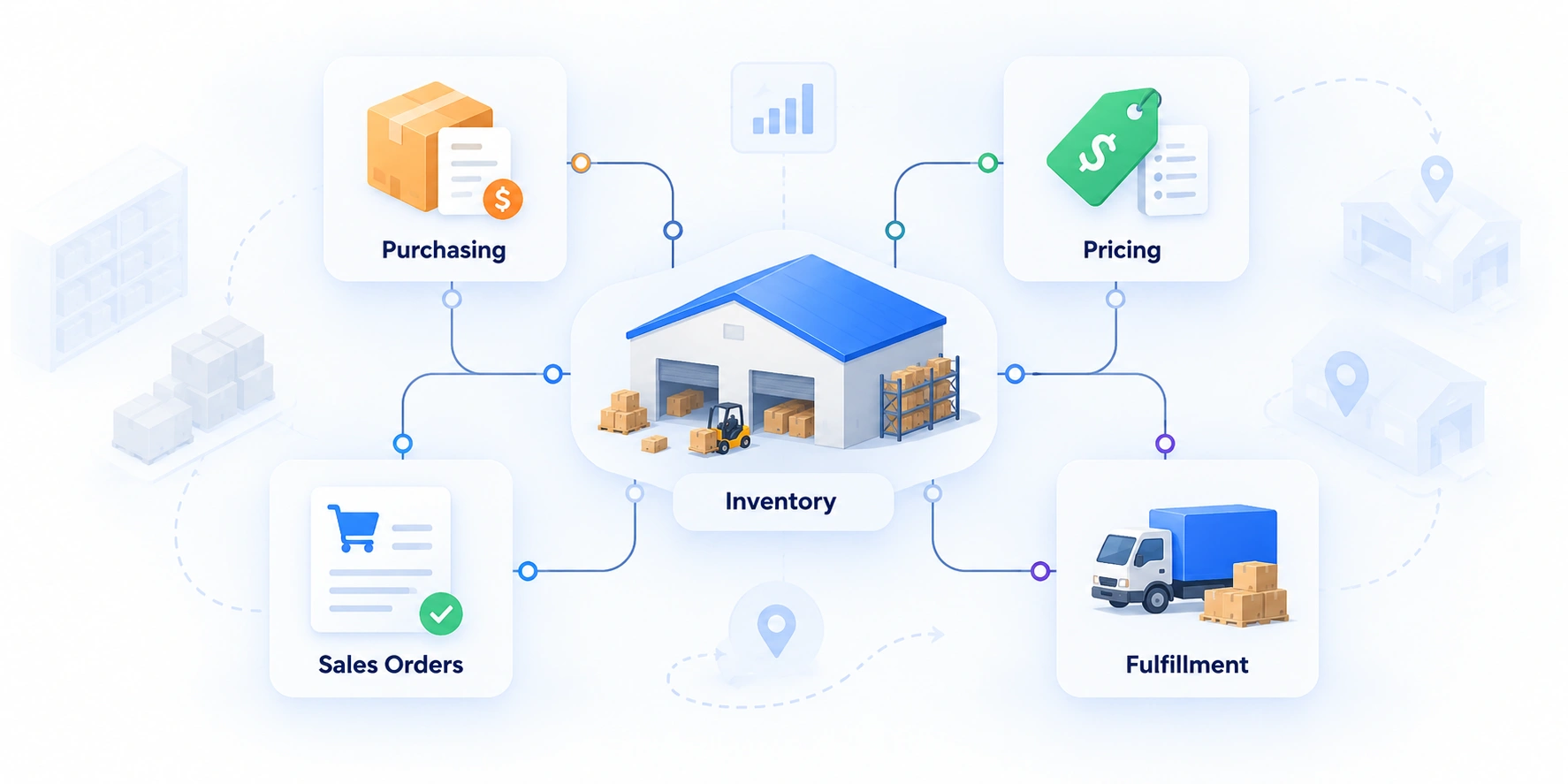
Wholesale distribution involves much more than buying products, storing inventory, and selling to customers. Distributors may manage thousands of SKUs, multiple warehouses, job-based orders, fluctuating supplier costs, landed costs, and customer-specific pricing agreements.
When these activities run through disconnected applications, spreadsheets, and manual processes, operational gaps emerge.
Common challenges include:
These challenges affect more than efficiency. They can influence customer relationships, working capital, and a distributor's ability to scale. Learn more about overcoming these issues in our guide on manual processes in wholesale distribution.
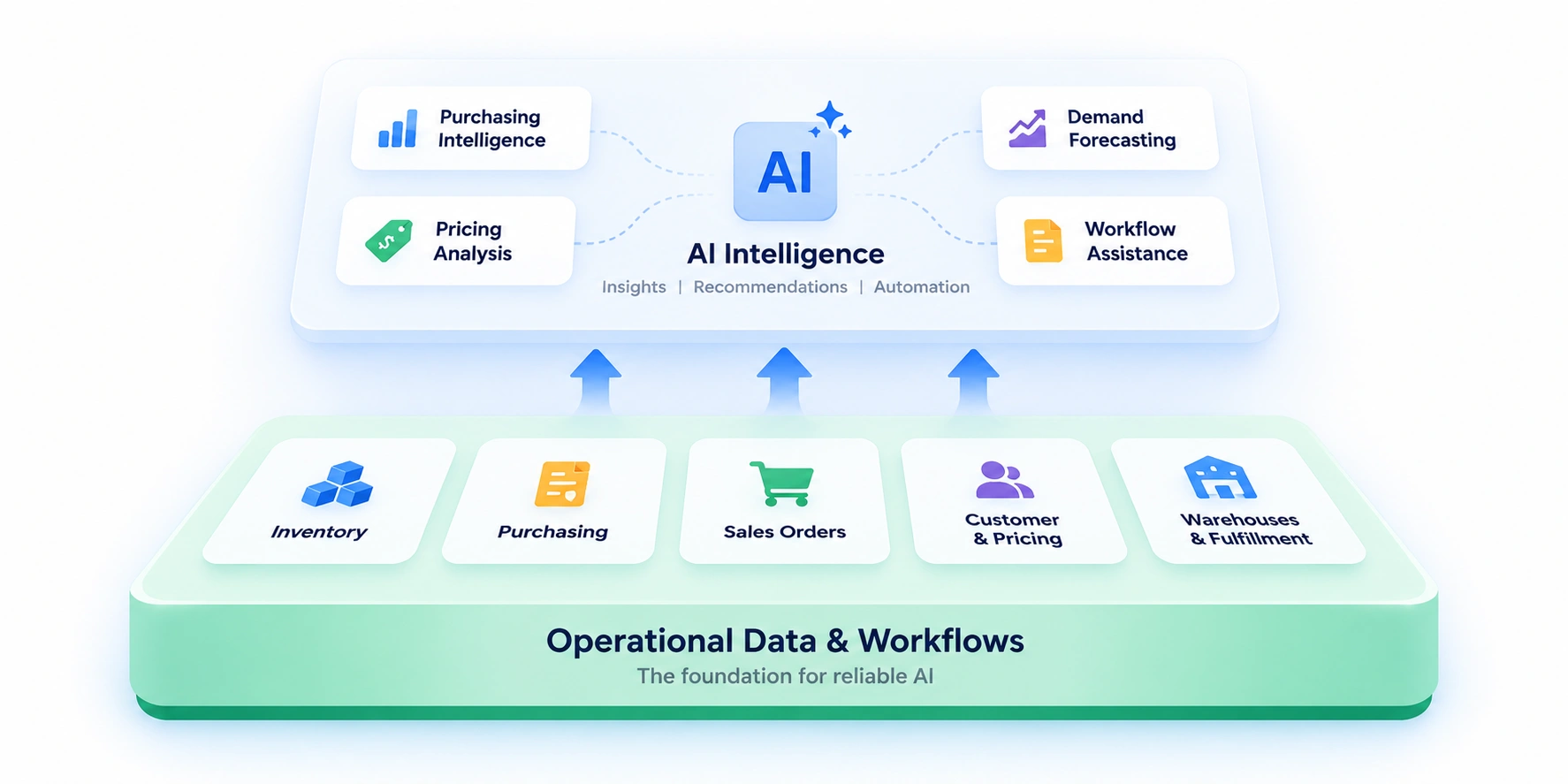
When building VitalGap, we believed that introducing AI before addressing operational complexity would solve only part of the problem.
Consider inventory forecasting. If stock records are inaccurate or purchasing data is incomplete, predictions based on that information may also be unreliable.
The same principle applies to automation. If workflows are fragmented or business rules are inconsistent, automating them can reproduce existing problems faster rather than eliminate them.
AI also needs reliable context. Disconnected customer records, inconsistent product information, and incomplete transaction histories make it harder to generate useful recommendations.
That is why we prioritized the underlying operational system first.
Our approach is straightforward: establish reliable data, connect essential workflows, and then introduce intelligence where it can support better decisions.
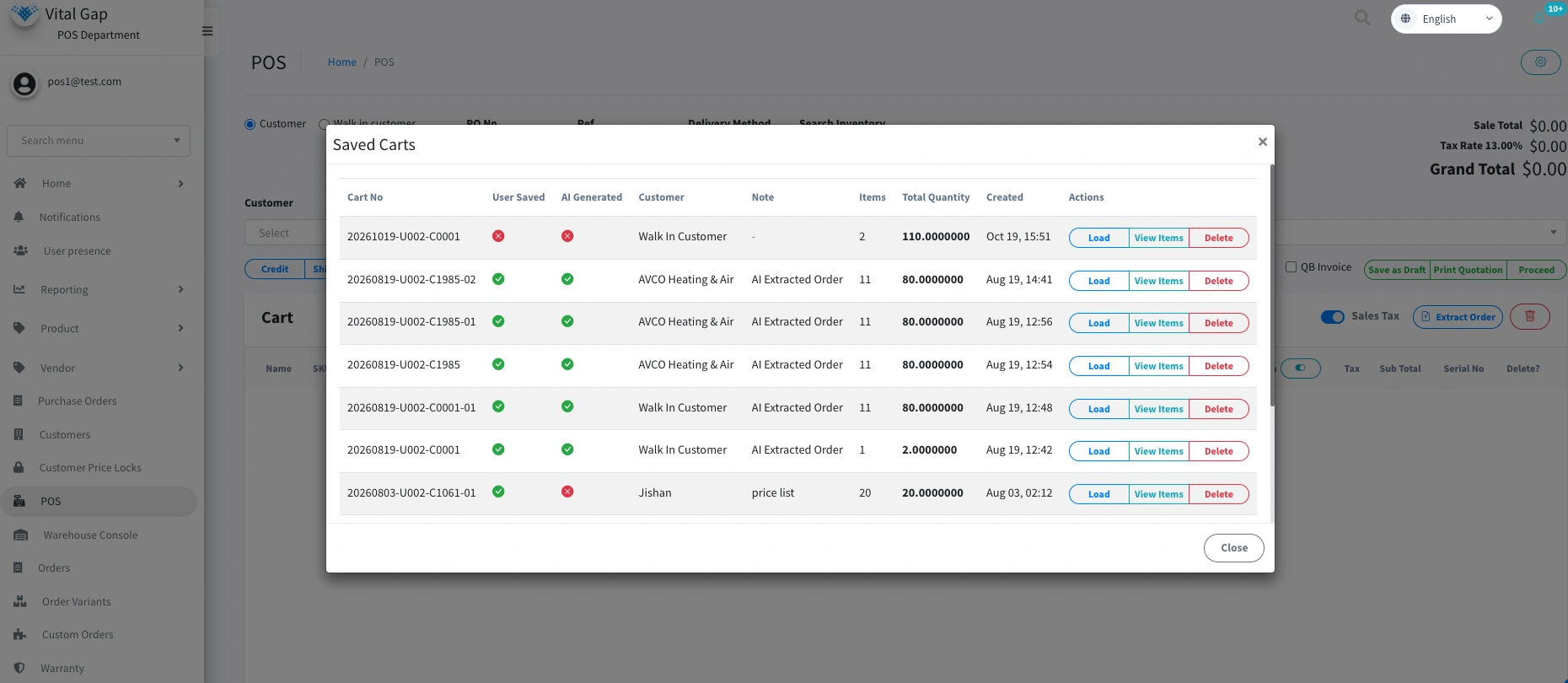
We focused on the challenges that shape everyday distribution operations and the information teams need to manage them effectively.
Inventory records need to reflect how products move through receiving, warehouse locations, sales orders, and job allocations.
A reliable inventory structure helps teams understand what is available, what is committed, and what is expected to arrive.
Purchasing, receiving, sales orders, and fulfillment are closely related. When these processes operate independently, employees often have to reconcile information manually.
Connecting these workflows makes it easier to follow transactions across the distribution process and understand how changes affect other departments.
Operational and financial records need to remain consistent. When inventory movements, purchasing transactions, and sales activity are disconnected from financial processes, reconciliation becomes more difficult.
A connected system can reduce information gaps and give teams a clearer view of business activity.
Wholesale distribution has requirements that general-purpose software may not fully address, including customer-specific pricing, partial shipments, backorders, and job-based fulfillment.
Software designed around these processes can reduce the need for manual workarounds and better reflect how distributors operate.
Distributors operating across multiple warehouses need consistent information about inventory, orders, and purchasing activity.
A shared operational view helps teams coordinate decisions across locations rather than relying on separate spreadsheets or isolated records.
Together, these foundations create more structured operational data, which is essential for developing useful AI-driven capabilities.
VitalGap's direction is to bring operational workflows and intelligence closer together within a distribution-focused platform.
Rather than treating AI as an isolated feature, we see opportunities to apply it where it can support the work distributors already perform.
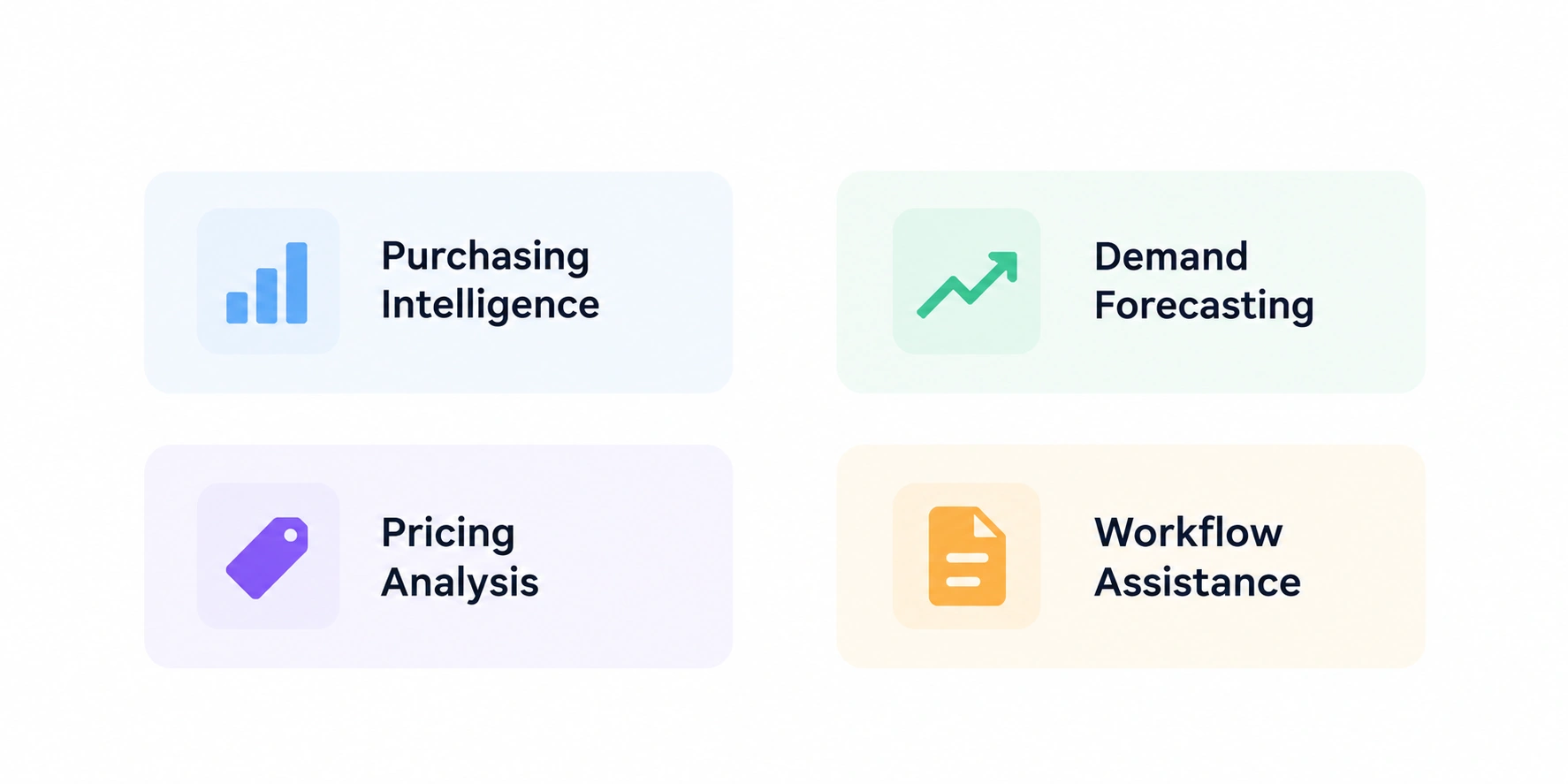
Potential applications include:
The value of these applications depends on data quality, implementation, and the specific capabilities available. AI should support informed decisions, not replace the operational controls and business judgment that distribution requires.
Our focus is on building the foundation that makes these applications practical and relevant to real distribution workflows.
Wholesale distributors need technology that reflects the complexity of their businesses. Generic software can provide useful capabilities, but disconnected workflows and industry-specific requirements may still create gaps.
Our philosophy at VitalGap is to start with the way distributors actually manage inventory, purchasing, pricing, orders, and fulfillment. From there, we can build toward a more intelligent operational experience.
This approach also aligns with the broader role of distribution software integration: connected data and workflows matter when businesses want to make better use of their technology investments.
AI will continue to influence the future of wholesale distribution. But the most useful applications will depend on more than algorithms. They will need reliable operational data, consistent business processes, and a clear understanding of how distributors work.
AI has significant potential to improve wholesale distribution, from supporting purchasing decisions to helping teams understand operational trends. But its effectiveness depends on the quality of the systems and data behind it.
At VitalGap, we believe the path forward starts with connected distribution workflows, reliable inventory information, and operational processes designed for the industry.
That foundation creates the opportunity to introduce intelligence where it can make a meaningful difference, without treating AI as a substitute for sound operational design.
Want to explore a more connected approach to distribution operations? Book a session with VitalGap to discuss your operational challenges and technology requirements.
AI systems rely on data to identify patterns, generate forecasts, and support decisions. Inaccurate inventory records, inconsistent pricing information, or incomplete transaction histories can reduce the usefulness of those outputs.
Depending on the implementation, AI can support demand forecasting, purchasing analysis, pricing decisions, anomaly detection, and workflow assistance. The benefits depend on data quality, the use case, and how the capabilities are integrated into daily operations.
It is a distribution-focused operational platform that connects workflows such as inventory, purchasing, sales orders, and fulfillment, with AI capabilities designed to assist with analysis, planning, and decision-making.
Not necessarily. Distributors should first assess data quality, system integration, and workflow consistency. For key evaluation criteria, read about what to look for in distribution management software before modernizing your operations.
Whether you're looking to streamline operations, boost efficiency, or drive growth, VitalGap has the solutions you need.