Wholesale distribution ERP: The top ERP systems for 2026




For HVAC distributors, inventory is both a valuable asset and a significant financial risk. Overstocking ties up working capital, while stockouts can delay contractor orders, increase fulfillment costs, and damage customer relationships.
Managing HVAC inventory involves more than counting equipment. Distributors must prepare for seasonal demand, track thousands of replacement parts, coordinate supplier deliveries, and ensure the right materials are available when customers need them.
The right HVAC procurement solutions help connect purchasing, inventory, and order fulfillment so distributors can make better stocking decisions and reduce manual work.
Here are four common inventory pitfalls and practical ways to avoid them.
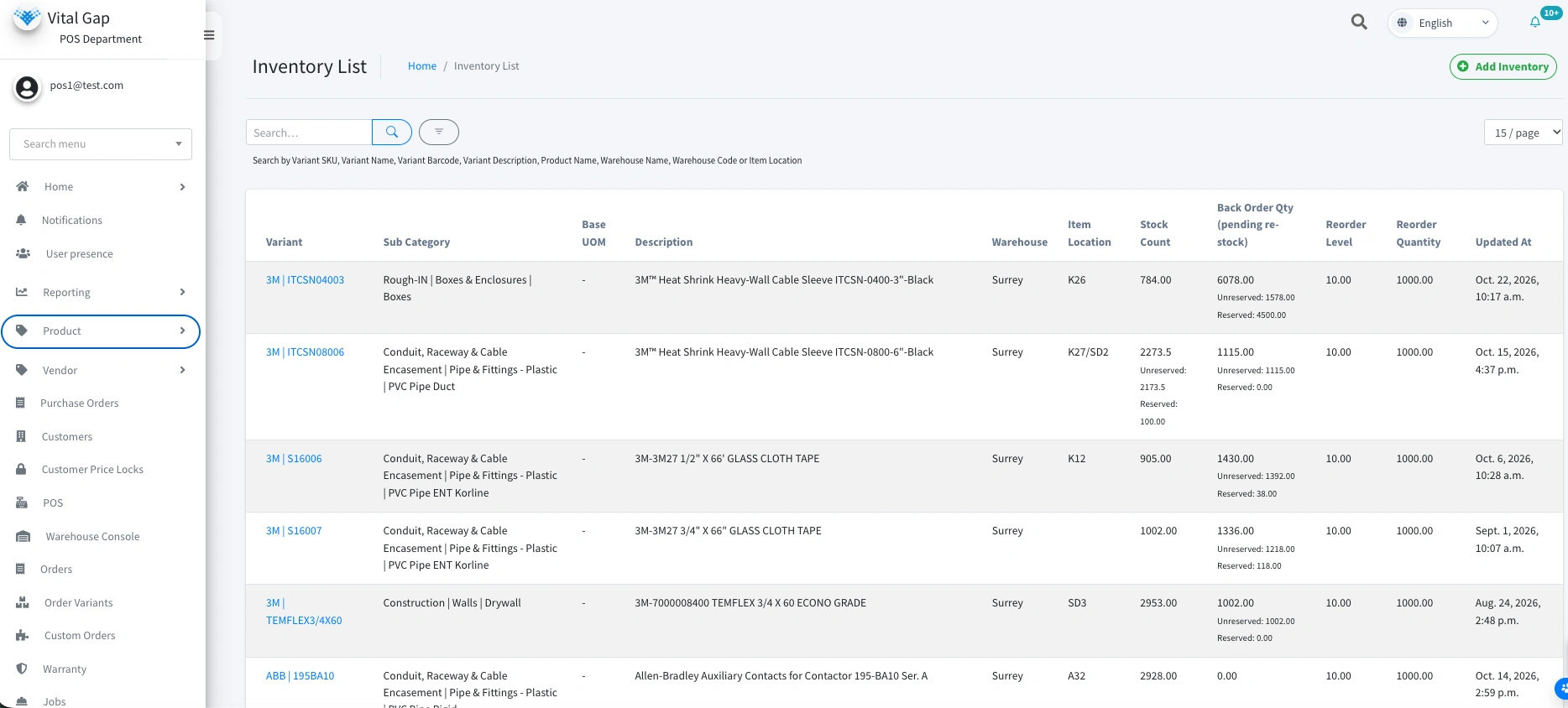
HVAC demand often changes with seasonal temperatures. Distributors may experience increased demand for air conditioning equipment during hot weather and heating products during colder periods.
Without effective demand planning, businesses can overorder before peak season or run short of essential products when demand increases.
Maintaining the same stock levels throughout the year can tie up working capital in slow-moving inventory. Reactive purchasing can also lead to rushed orders and additional shipping costs.
HVAC inventory management software helps distributors review historical sales, current stock levels, outstanding orders, and supplier lead times when planning purchases.
How to avoid the problem:
VitalGap's HVAC distribution solution supports seasonal demand readiness through inventory visibility and purchasing workflows designed for fluctuating demand.

Tracking expensive equipment is important, but managing hundreds of smaller components can be equally challenging.
Capacitors, relays, motors, filters, copper fittings, and replacement parts may move through warehouse shelves, counter sales, and customer orders throughout the day.
When these movements are not recorded accurately, distributors can experience phantom stock: products that appear available in the system but cannot be found on the shelf.
The consequences include unnecessary replenishment orders, delayed customer fulfillment, and time spent searching for missing products.
How to avoid the problem:
VitalGap's distribution platform includes inventory controls designed to prevent negative inventory and phantom stock, track inventory movements, and provide visibility into availability across orders, jobs, and locations. Its built-in distribution POS capabilities also connect counter sales with backend operations.
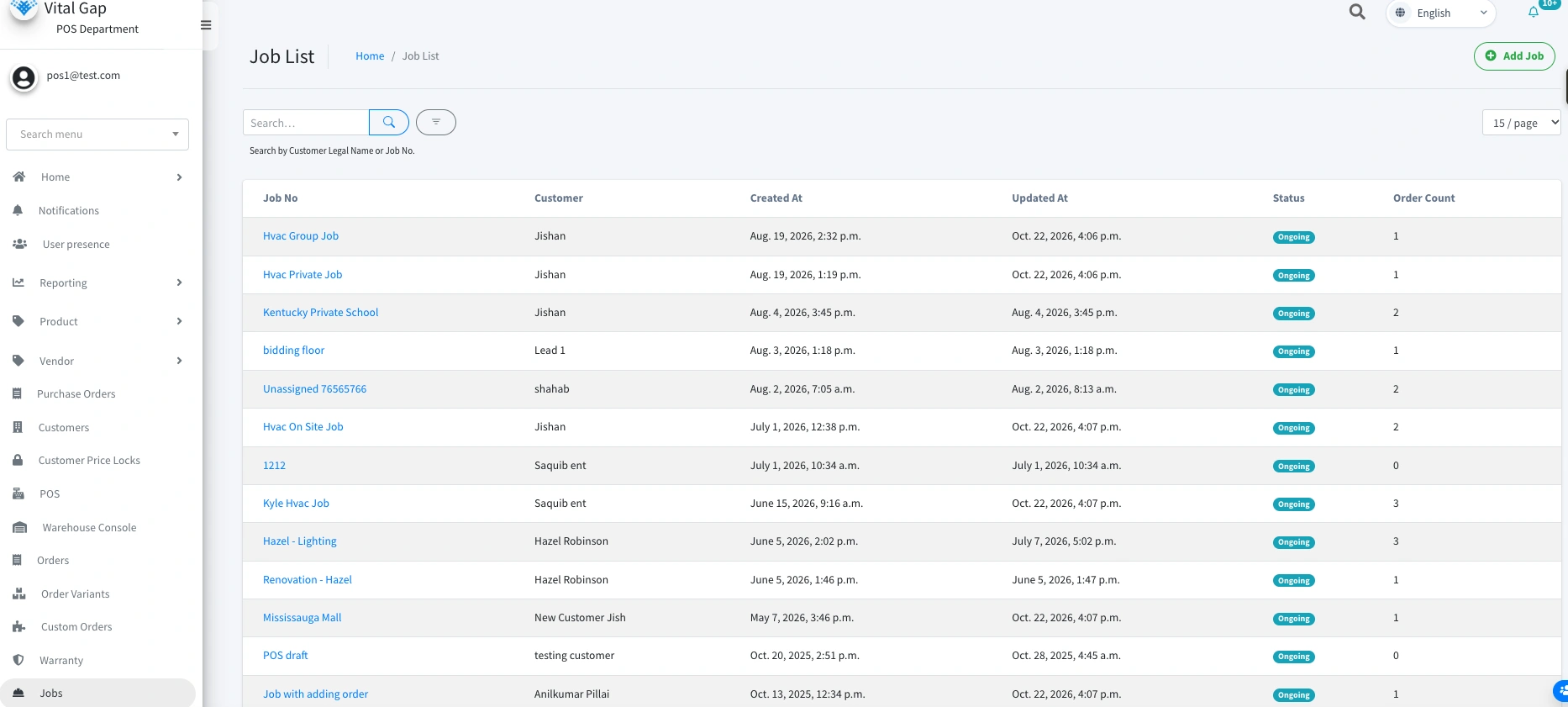
HVAC contractors often need specific equipment and replacement parts for scheduled installations, repairs, and maintenance work.
Problems arise when service schedules and warehouse inventory are managed separately. A job may be booked before all required materials are available, leaving technicians waiting for parts or making additional trips to complete the work.
These disruptions can increase labor and transportation costs while delaying customer commitments.
Connecting inventory with job-based fulfillment helps distributors identify material requirements earlier and coordinate purchasing, allocation, and delivery.
How to avoid the problem:
VitalGap supports job and project tracking, inventory allocation to specific jobs, and coordinated deliveries. Its order workflows also support backorders and partial shipments.
These capabilities help distributors manage job requirements without relying entirely on separate spreadsheets and manual communication.
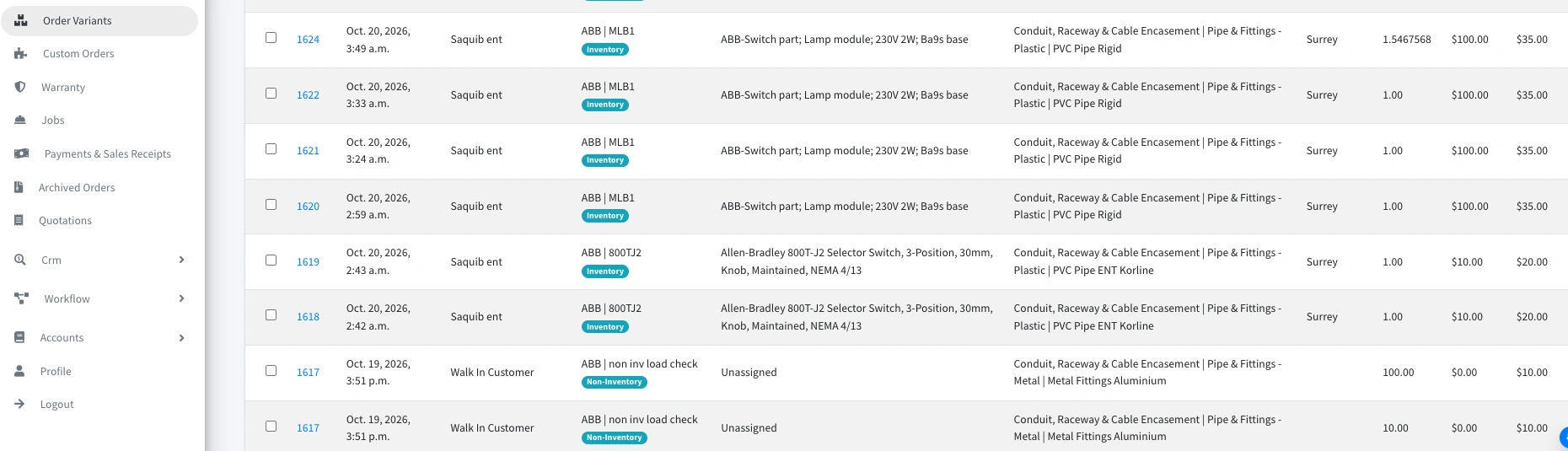
Ordering extra stock may feel like a safe way to prevent shortages, but excessive inventory can tie up capital and increase storage costs.
This becomes particularly problematic when distributors hold older equipment, superseded replacement parts, or products with inconsistent demand.
The goal is not to eliminate safety stock. It is to determine which products justify the investment and which quantities create unnecessary carrying costs.
How to avoid the problem:
Connected inventory and purchasing workflows can help teams evaluate stock levels alongside outstanding customer orders and incoming supply.
For a broader look at inventory accuracy, purchasing, and operational visibility, read 7 ERP Features That Actually Matter for Distribution Businesses.

Effective HVAC procurement software should help distributors coordinate the entire process, from identifying demand to receiving products and fulfilling customer orders.
Important capabilities include:
VitalGap combines these distribution-focused workflows in a platform designed for HVAC and other wholesale distribution industries. Its published capabilities include inventory accuracy controls, job-based fulfillment, built-in POS, and integrations with accounting, shipping, and e-commerce tools. <Cite refs={["turn462060search1","turn462060search7"]}/>
The appropriate configuration depends on your business requirements and existing systems.
HVAC inventory management is a balancing act. Too much stock ties up working capital, while too little can delay orders and disrupt contractor schedules.
The most effective approach combines demand planning, accurate inventory records, coordinated purchasing, and visibility into job requirements. These practices help distributors make more informed decisions without relying on manual tracking for every transaction.
If spreadsheets and disconnected systems are making inventory harder to manage, consider whether a distribution-focused platform can simplify your workflows.
VitalGap helps HVAC distributors coordinate inventory, purchasing, counter sales, and job-based fulfillment within connected operational workflows.
Ready to improve your HVAC distribution operations? Schedule a demo with VitalGap to discuss your inventory challenges and evaluate the platform's fit for your business.
HVAC procurement solutions help distributors manage purchasing, supplier orders, inventory availability, and replenishment. Depending on the platform, they may also connect purchasing with sales orders, warehouse operations, and job-based fulfillment.
Review historical demand, monitor current inventory and open orders, consider supplier lead times, and adjust reorder points before peak seasons. Regularly reviewing fast-moving equipment and replacement parts helps distributors prepare for changing demand.
Analyze inventory turnover, identify slow-moving and obsolete products, and align purchase quantities with expected demand and supplier lead times. Review incoming purchase orders before replenishing products that are already overstocked.
Important capabilities include inventory visibility across locations, accurate stock movement tracking, purchasing coordination, reorder management, counter sales integration, and support for backorders and partial shipments.
Some distribution platforms support job-based inventory allocation and fulfillment. VitalGap publishes capabilities for tracking materials by job or project, allocating inventory to specific jobs, and coordinating deliveries. Confirm the workflows and configuration required for your business before implementation.
Whether you're looking to streamline operations, boost efficiency, or drive growth, VitalGap has the solutions you need.